Home

Main navigation

  • Library
  • About
    • About Polio
    • nOPV2 vaccine
  • Learn SBC
    • Using Social Data
    • Digital Community Engagement and Misinformation Management
    • Join Agora Course
  • News
    • Subscribe to Our Newsletter
  • Pulse
Polio Toolkit
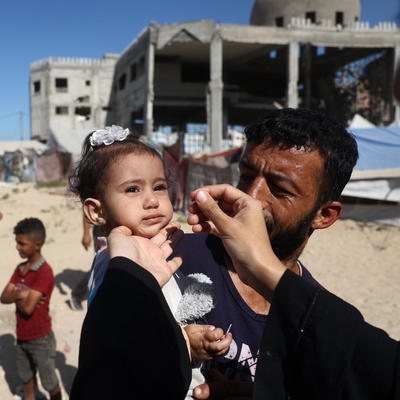
A health worker in Gaza administers the nOPV2 vaccine to a child amid the devastation of ongoing conflict, embodying resilience and hope in the fight against polio.
Publication date
2025
PDF

250.11 KB

Key Learnings from SBC in Conflict Settings

A GPEI/UNICEF webinar summary presenting five cross-cutting SBC lessons for conflict and insecurity contexts, plus an overview of humanitarian access mechanisms.

The five learning areas cover: the limits of SBC when physical access is blocked — requiring humanitarian diplomacy and multi-sectoral negotiation to reach children in FCV settings; the importance of deep localization — co-designing interventions with communities, engaging trusted local stakeholders, and adapting to cultural norms to convert refusals; SBC's catalytic role in addressing community concerns through two-way communication, feedback mechanisms, and misinformation management; targeted communication strategy — media landscape analysis, audience segmentation, trusted messengers, and multi-channel outreach to build awareness and trust; and security risk assessment — integrating ongoing risk reviews into SBC planning, building flexible contingency plans, and training teams in conflict sensitivity.

The document also defines three humanitarian access mechanisms relevant to vaccination in conflict zones: Days of Tranquility (time-bound ceasefires for mass campaigns), Humanitarian Breaks (short localized pauses for aid delivery), and Humanitarian Corridors (designated safe-passage routes).

Best used for: SBC in conflict/FCV settings, humanitarian access negotiation, refusal conversion strategies, risk-sensitive programme planning.

Related topics
Integrating a Conflict Lens into SBC Programming for Polio Campaigns
SBC in Conflict-Affected Lubunga Health District (DR Congo): Strategies, Challenges, and Lessons Learned
Act
World
English
Social and Behaviour Change (SBC)—Key resources
  • SBC in Conflict
KEY LEARNINGS FROM SBC IN CONFLICTS SETTINGS_WEBINAR.pdf
polioc logo

The Polio Toolkit is a web-based hub managed by UNICEF Digital Community Engagement (DCE) Unit as part of the Global Polio Eradication Initiative (GPEI). It brings together evidence-driven social and behaviour change (SBC) learning resources, strategies, and tools to address misinformation, strengthen vaccine confidence, and support effective community engagement across polio-endemic and outbreak contexts.

Find us on Social Media

Social media

  • YouTube
  • Twitter

polioc logo | ©2026, GPEI. All Rights Reserved

Footer menu

  • Contact Us
  • Terms and Conditions
  • Terms of use