

204.13 KB
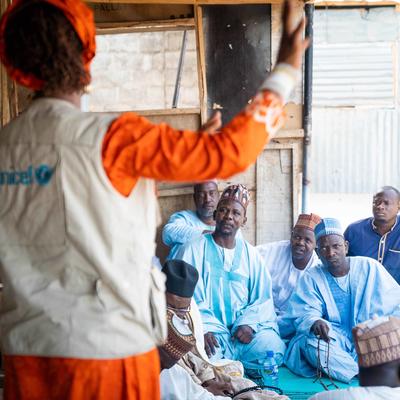
Brainstorming summary with State and LGA facilitators covering challenges and strategies for polio vaccination in a context where 11,678 settlements — home to nearly 1.3 million under-fives — are inaccessible due to insurgency, banditry, and kidnapping.
Key challenges span four areas: safety and security (unsafe roads, fear of attack, kidnapping risk); trust and communication (community suspicion of outsiders, religious misconceptions, non-compliant caregivers); logistics (difficult terrain, natural barriers, lack of transport); and data/health quality (unverifiable data, poor population mapping, inadequate facilities).
Strategies already implemented include community engagement through Fulani leaders, TBAs, and Ward Development Committees; integrated health services bundling vaccination with CMAM and other outreach; "hit and run" rapid vaccination operations in volatile areas; and engagement of local vigilante groups and hunters to ensure safe access.
Recommendations call for deeper stakeholder collaboration, participatory needs assessments, deployment of local community members as vaccinators and CHWs, culturally tailored messaging, mobile health teams, CSO partnerships, small incentives for attendance, and involvement of non-state security actors.
Best used for: SBC and operations in high-insecurity contexts, Nigeria northwest states, inaccessible settlement strategies, integrated health service delivery in conflict settings.