

242.58 KB
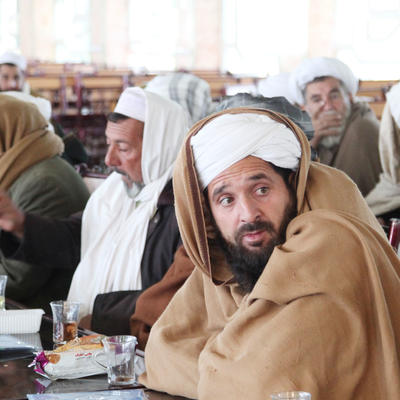
A GPEI/UNICEF survey mapping how religious leaders are engaged in polio outbreak responses across 13 African and Middle Eastern countries (Angola, Algeria, South Sudan, Nigeria, DRC, Somalia, Kenya, Djibouti, Yemen, Benin, Cameroon, Chad, and Ethiopia).
Key findings show that 38% of countries have formal partnerships with religious institutions, 54% engage religious leaders consistently without formal agreements, and only one country (Kenya) does so only occasionally. Seven countries implement engagement across all health system levels. Effective strategies documented include early advocacy and strategic planning, integration of health messages into religious platforms, capacity building and tailored messaging, refusal management through influential religious figures, gender-sensitive outreach, and collaboration with religious associations.
Positive outcomes include improved vaccine acceptance, resolution of refusals, and use of religious spaces for health communication. Key challenges are late or campaign-only engagement, engagement fatigue, resistance from conservative groups, overreliance on voluntarism, and logistical and financial constraints.
Recommendations call for formalizing partnerships, engaging religious leaders early and continuously, building their capacity, strengthening coordination and microplanning, and enhancing gender-sensitive approaches. Next steps include developing an M&E framework for religious engagement and a roadmap for strengthening the strategy globally.
Best used for: religious engagement strategy in polio campaigns, refusal conversion, multi-country comparative practices, faith-based SBC approaches.