Home

Main navigation

  • Library
  • About
    • About Polio
    • nOPV2 vaccine
  • Learn SBC
    • Using Social Data
    • Digital Community Engagement and Misinformation Management
    • Join Agora Course
  • News
    • Subscribe to Our Newsletter
  • Pulse
Polio Toolkit
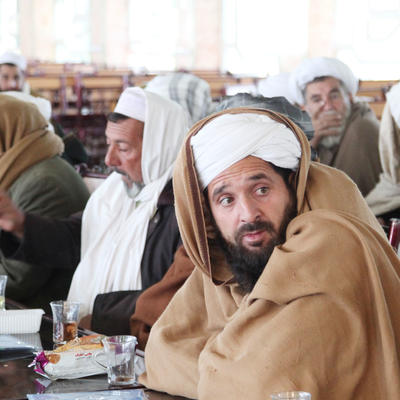
Influential religious scholars in Farah province declare their support for polio eradication
Publication date
2025
PDF

242.58 KB

Engaging Religious Leaders for Polio Eradication: Multi-Country Findings

A GPEI/UNICEF survey mapping how religious leaders are engaged in polio outbreak responses across 13 African and Middle Eastern countries (Angola, Algeria, South Sudan, Nigeria, DRC, Somalia, Kenya, Djibouti, Yemen, Benin, Cameroon, Chad, and Ethiopia).

Key findings show that 38% of countries have formal partnerships with religious institutions, 54% engage religious leaders consistently without formal agreements, and only one country (Kenya) does so only occasionally. Seven countries implement engagement across all health system levels. Effective strategies documented include early advocacy and strategic planning, integration of health messages into religious platforms, capacity building and tailored messaging, refusal management through influential religious figures, gender-sensitive outreach, and collaboration with religious associations.

Positive outcomes include improved vaccine acceptance, resolution of refusals, and use of religious spaces for health communication. Key challenges are late or campaign-only engagement, engagement fatigue, resistance from conservative groups, overreliance on voluntarism, and logistical and financial constraints.

Recommendations call for formalizing partnerships, engaging religious leaders early and continuously, building their capacity, strengthening coordination and microplanning, and enhancing gender-sensitive approaches. Next steps include developing an M&E framework for religious engagement and a roadmap for strengthening the strategy globally.

Best used for: religious engagement strategy in polio campaigns, refusal conversion, multi-country comparative practices, faith-based SBC approaches.

Related topics
SBC Guidance for Strengthening Religious Engagement in Polio Outbreak Response and Routine Immunization
Building Trust in Immunization: Partnering with Religious Leaders and Groups
Understanding Factors Influencing Polio Vaccine Uptake in Ghana — Developing Meaningful Community Mobilization and Engagement Strategies in Collaboration with Religious Leaders
Act
World
English
Social and Behaviour Change (SBC)—Key resources
  • Community Engagement
Religious engagement in Polio campaign strategies mapping_Survey report.pdf
Religious Engagement in Polio Outbreak responses_Key findings and recommendations.pdf
polioc logo

The Polio Toolkit is a web-based hub managed by UNICEF Digital Community Engagement (DCE) Unit as part of the Global Polio Eradication Initiative (GPEI). It brings together evidence-driven social and behaviour change (SBC) learning resources, strategies, and tools to address misinformation, strengthen vaccine confidence, and support effective community engagement across polio-endemic and outbreak contexts.

Find us on Social Media

Social media

  • YouTube
  • Twitter

polioc logo | ©2026, GPEI. All Rights Reserved

Footer menu

  • Contact Us
  • Terms and Conditions
  • Terms of use