

3.99 MB
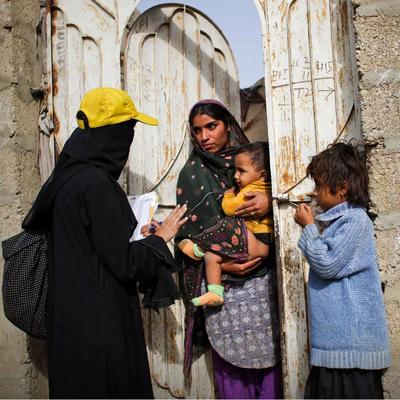
This module supports polio outbreak teams to apply SBC strategies with communities who are underserved or difficult to access, including those in insecure areas, nomadic and migrant groups, IDPs, and isolated settlements.
Key components include:
- A practical SBC programming sequence (analysis, design, implementation, monitoring) tailored to hard-to-reach populations.
- Guidance on mapping and profiling communities, identifying access and trust barriers, and choosing appropriate engagement channels.
Examples of approaches to work with local leaders and services, address misinformation and refusals, and adapt activities in volatile contexts.
Teams can use this resource to strengthen the SBC components of outbreak response plans for hard-to-reach populations and improve equitable access to vaccination.
For a broader roadmap on integrating conflict perspectives into SBC, see “Integrating a Conflict Lens into SBC Programming for Polio Campaigns.”
For tools and templates, explore “Conflict-Sensitive Planning Tools for SBC in Polio Eradication.”
For additional training and case examples from conflict-affected areas, see “SBC in Conflict: Training Module for Polio Outbreak Response” and “SBC in Conflict-Affected Lubunga Health District (DR Congo): Strategies, Challenges, and Lessons Learned.”