

1.33 MB
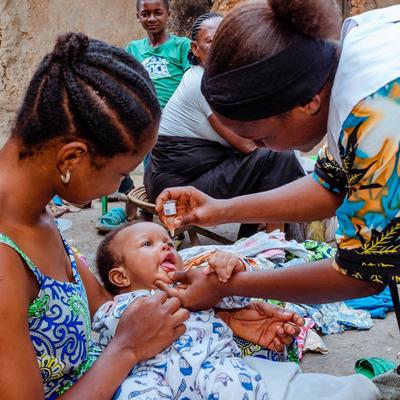
This document presents the experience of implementing Social and Behavior Change (SBC) strategies in the conflict-affected Lubunga Health District, DR Congo. It highlights tailored approaches, challenges faced, and key lessons learned for adapting health interventions in complex conflict settings.
Key components include:
- Mapping and conflict analysis to identify insecure health areas and trusted local actors.
- Co-creation of SBC strategies with health and community leaders to ensure acceptance and engagement.
- Tailored interventions such as local recruitment, capacity building, and integration of militias to address vaccine hesitancy.
- Leveraging opportunities like weekly markets, worship gatherings, and radio campaigns to reach displaced and vulnerable populations.
- Advocacy with political, traditional, and religious leaders to ensure campaign success.
This resource offers actionable insights into designing and implementing conflict-sensitive SBC strategies to improve vaccination outcomes and rebuild trust in fragile communities.
For a broader roadmap on integrating conflict perspectives into SBC, see the "Integrating a Conflict Lens into SBC Programming for Polio Campaigns."
To explore planning tools for SBC in conflict-affected areas, refer to "Conflict-Sensitive Planning Tools for SBC in Polio Eradication."
For additional real-world applications, see "SBC in Conflict: Training Module for Polio Outbreak Response."