

288.37 KB
Somalia has made enormous progress against polio but faces the world’s longest‑running outbreak of circulating variant poliovirus type 2 (cVDPV2). Despite stopping wild poliovirus transmission in 2014, insecurity, weak health systems and population movement have left approximately 1.5 million Somali children under 5 being zero-dose. The country has made big strides through the Big Catch-Up (BCU) accelerated initiatives in which nearly 700,000 zero-dose children received their first dose of pentavalent vaccine (UNICEF 2025). The country’s admin data for Penta 3 coverage stands at 78% as of July 2025.
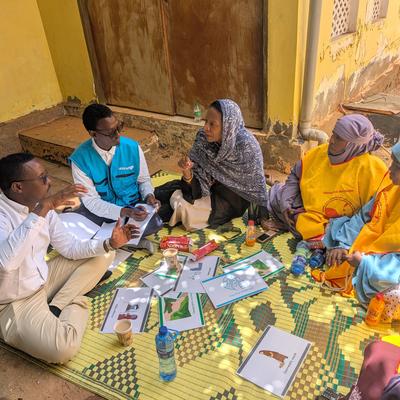
The Influential Leaders Project is a collaborative initiative led by Somalia’s Federal Ministry of Health (FMoH), state ministries, UNICEF and the Gates Foundation. Using a human‑centred design (HCD) approach, it engages community elders, women and youth leaders in vulnerable populations to co‑create zero‑dose and defaulter tracing strategies to build trust and ownership, strengthen routine immunization (RI) and integrate cold‑chain and service delivery improvements. Early results that spanned over 2 months from 17 districts show that over 21,509 zero‑dose/defaulter children were traced and 94 per cent received vaccinations, with 63 per cent of cases resolved through leader involvement. Re‑operationalisation of health facilities reached previously underserved communities, boosting routine immunization uptake while fostering accountability and sustainability. The case study documents the project’s rationale, design, implementation, results, lessons learned and recommended next steps for replication.