

What Actually Works: 10 Lessons from Digital Campaigns for Vaccine Uptake in 2025
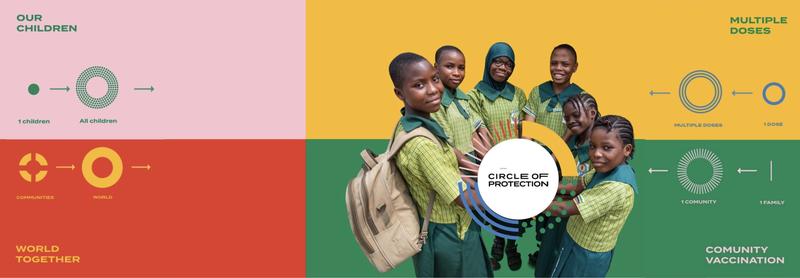
In 2025, UNICEF’s Digital Community Engagement (DCE) team supported vaccination efforts worldwide through highly targeted and localized digital campaigns, reaching 175.8 million people and generating 3–5 times higher engagement than traditional approaches.
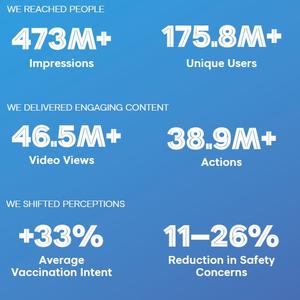
These results are the outcome of years of research and practice consolidated into a robust infrastructure, where social listening and behavioural evidence are combined with analytical models to ensure that critical, life-saving information reaches the people who need it most—and is accessible and understandable to them.
Through this work, we supported synchronized immunization initiatives across the Lake Chad Basin (Niger, Chad, Nigeria, and the Central African Republic), raised awareness around outbreak response efforts in Papua New Guinea, countered polio vaccine rumours through the first Digital Community Engagement strategy in Afghanistan, and addressed rising misinformation about multiple vaccine doses in Kenya, Ethiopia, the Democratic Republic of the Congo, and Pakistan.
Across all campaigns, we monitored performance in real time—tracking what worked, what did not, and adjusting strategies accordingly. While experience consistently confirms that there is no one-size-fits-all solution, clear patterns emerged across contexts: recurring drivers of engagement and strategic choices that reliably amplified impact.
This article distils the 10 most valuable lessons from these campaigns. These are real learnings from real campaigns reaching real families, stories of successes and mistakes, all equally valuable to expand the impact and the possibilities of UNICEF Digital Community Engagement in 2026.
1. MOBILE-FIRST DESIGN IS UNIVERSAL
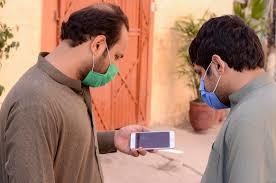
Mobile dominance proved consistent across every audience, though the degree varied by platform. Meta campaigns showed 98%+ mobile usage, TikTok reached 99%+, and even YouTube – where TV viewing made gains in some markets – remained predominantly mobile.
When we optimized creative for small screens first, engagement improved across all platforms. Mobile-first isn’t just a design principle – it’s where audiences are.
Example: Pakistan’s October campaign delivered 98% of Meta impressions to mobile devices.
2. META EXCELS AT SCALE
Meta (Facebook and Instagram) consistently delivered exceptional reach, allowing us to put our messages in front of millions of people cost-effectively. The platform proved most effective for awareness objectives when we used static images and carousels.
By using Meta to build broad awareness and routing video content to other platforms, we maximized the impact of every campaign dollar.
Example: Kenya's Meta campaign reached 10 million unique users with 16 million impressions – far exceeding the 4.6 million target – showing how Meta excels at getting messages to large audiences efficiently.
3. TIKTOK AND YOUTUBE DRIVE VIDEO ENGAGEMENT
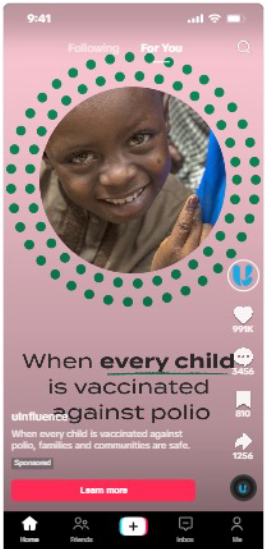
TikTok and YouTube proved to be the platforms where people actually watch videos. On TikTok, between 14-30% of viewers watched our videos all the way through—meaning our messages were being seen and absorbed, not just scrolled past.
Key Performance:
- Pakistan: Generated 872,816 video views with strong watch-through
- Kenya: Reached 1.7 million video views—36 times higher than our 47,000 target
- Nigeria: High completion rates showed audiences stayed engaged through the entire message
The Opportunity: By directing our video content to TikTok and YouTube, we ensured that when people saw our campaigns, they actually watched them—dramatically improving how many families received the full message about polio vaccination.
4. DIVERSIFY PLATFORMS FOR CAMPAIGN RESILIENCE
Google Display Network and YouTube delivered excellent cost-efficiency when available, helping us reach audiences at very low cost in markets like Ethiopia. However, we learned that relying on a single platform creates risk – sometimes platforms face unexpected availability issues in certain countries or languages.
By building campaigns across multiple platforms (Meta, TikTok, YouTube, and Google Display), we ensured our messages always reached families, no matter what. If one platform faced constraints, others kept the campaign running strong.
Example: When YouTube wasn’t available in some markets, our campaigns continued successfully by using TikTok for video content and Meta for broad reach – ensuring no community was left without access to vital vaccination information.
5. STATIC IMAGES DELIVER COST-EFFICIENT AWARENESS
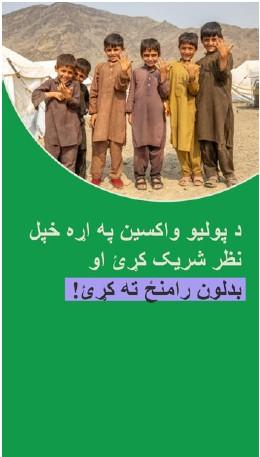
Static images proved to be remarkably cost-efficient for building awareness on Meta, allowing us to reach more people with the same budget. In countries with varying internet connectivity like Papua New Guinea and DRC, static content performed exceptionally well because it loads quickly even on slower connections.
Using static images to build broad awareness, then following up with video content for deeper engagement, creates an efficient two-layer strategy that meets audiences where they are.
Example: Afghanistan's static carousel campaign reached just as many people as video campaigns, while being easier to deliver and more accessible to communities with limited connectivity.
6. OPTIMIZE VIDEO LENGTH FOR PLATFORM AND AUDIENCE
The length of our videos significantly impacted whether people watched them all the way through. The sweet spot for keeping audiences engaged:
- TikTok: 15-25 seconds works best (Pakistan's longer 45-second videos succeeded by putting the most compelling content at the very beginning)
- YouTube: 25 seconds or less for strongest completion
The Opportunity: Shorter videos meant more people watched our full message about polio vaccination. This approach ensured families received complete information while making every campaign dollar go further.
7. LESS IS MORE: FOCUS ON FEWER BUT STRONGER CREATIVE ASSETS
Campaigns performed best when we used 3-5 different versions of our message per campaign, rather than creating many variations. This range allowed us to test what resonated most with audiences while giving each version enough visibility to succeed.
By investing time in creating a small number of high-quality, compelling messages rather than many variations, we saw better results across all platforms. Quality truly mattered more than quantity.
Evidence: This pattern appeared consistently across Kenya, Ethiopia, Nigeria, and Pakistan—confirming it works across different cultures, languages, and contexts.
8. REFRESH YOUR MESSAGE TO KEEP AUDIENCES ENGAGED
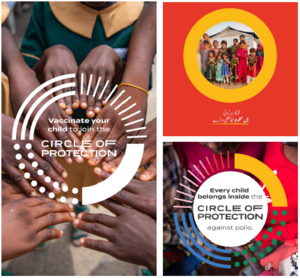
Pakistan’s October campaign showed how changing creative content between campaign phases keeps audiences interested. Phase 1 used videos tailored to specific regions (KPK, Punjab, Sindh, Balochistan). Phase 2 introduced the powerful "Circle of Protection" message nationwide.
Planning to evolve messages from the start – rather than using the same content throughout – keeps families engaged and allows your campaign to build momentum as it unfolds.
Example: Pakistan's two-phase approach maintained strong engagement from start to finish, with each phase bringing fresh content that built on what came before, ensuring the message stayed relevant and compelling throughout the entire campaign period.
9. BALANCE MESSAGE REPETITION FOR OPTIMAL RESULTS
In countries with smaller digital audiences like Papua New Guinea and DRC, we learned that showing the same message too many times to the same people could reduce effectiveness. Finding the right balance – enough repetition to reinforce the message without overwhelming audiences – improved campaign performance.
By adjusting how often people see our content based on audience size – more repetition in large countries, less in smaller ones – we kept messages fresh while ensuring they were seen enough times to make an impact.
Example: PNG’s campaign showed how adjusting message frequency between campaign phases helped maintain strong results across multiple vaccination rounds.
10. INTERACTIVE INFORMATION PROVISION UNLOCK GREATER IMPACT
When people clicked on our campaigns, where they landed next made a huge difference. Landing pages that loaded quickly on phones, presented clear information, and were easy to navigate kept people engaged with our vaccination messages. However, while page scrolling and interactions registered high rates, the average time spent on these pages was small enough to question the actual uptake of the information they contained.
Investing in mobile-friendly and interactive information provision represents one of our biggest opportunities to ensure people can quickly get the information they need without having to serach for it within a page.