

From Listening to Action: Operationalizing Social Listening Evidence for Misinformation Response in Afghanistan
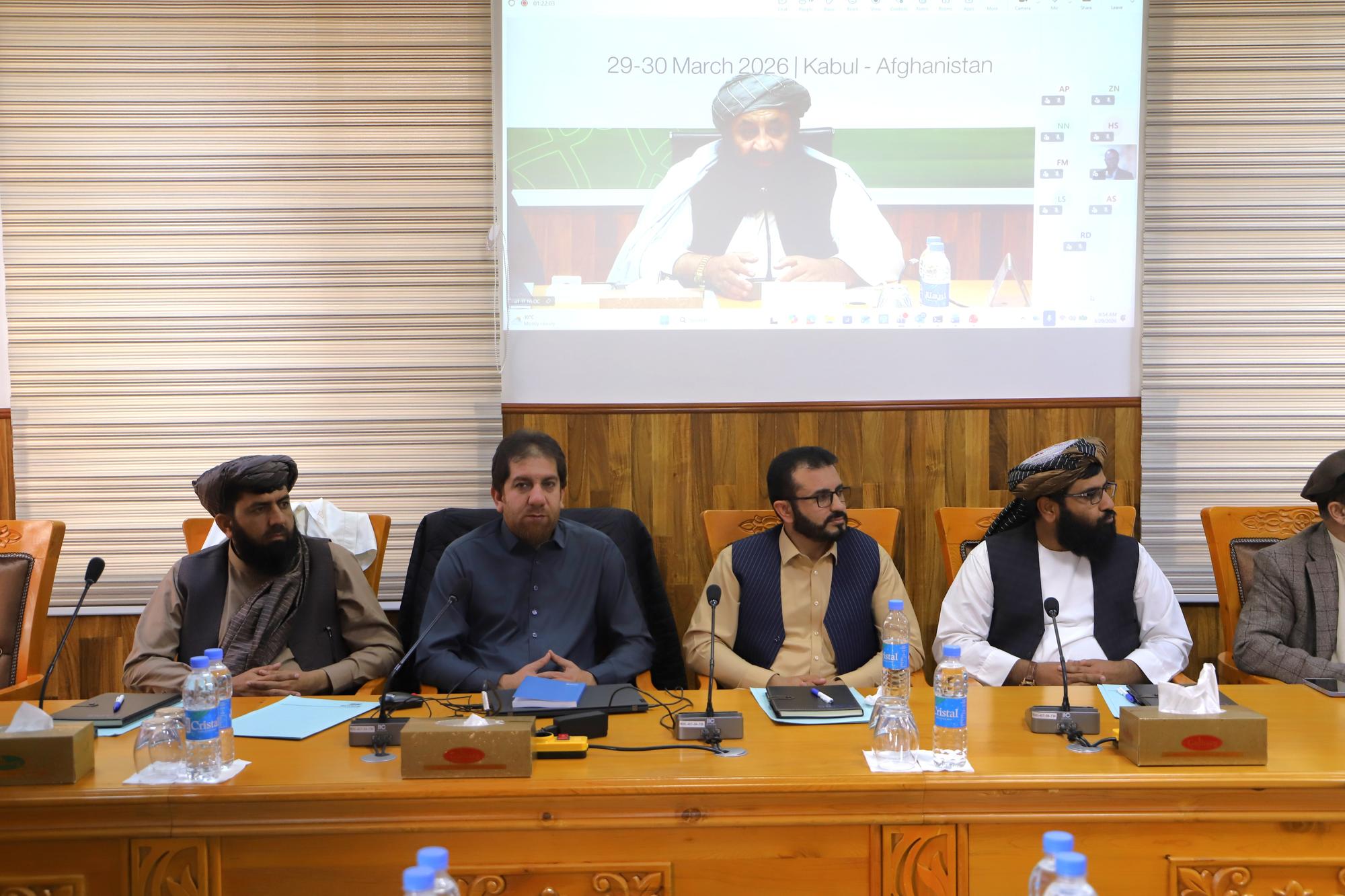
In late March, UNICEF Afghanistan, together with the Communications Working Group (CWG) under the National Emergency Operations Center (NEOC), brought colleagues working on polio eradication together in Kabul for a two-day training on Digital Community Engagement (DCE) and misinformation management. Participants included representatives of the regional and provincial Emergency Operations Centers (EOC), UNICEF and WHO teams, and frontline communication and social mobilization staff.
The purpose of the training was to understand how misinformation shows up in communities and how we can respond to it in a more coordinated and practical way. Many participants shared a similar reality: rumors often start offline, through conversations with family members, religious leaders, or neighbors, and then travel into WhatsApp groups, Facebook pages, or local media. Addressing misinformation means paying attention to all these spaces at the same time.
Throughout the discussions, participants reflected on recurring types of concerns encountered in their daily work, particularly related to vaccine safety, trust in institutions, and religious considerations. While these were not new, the training helped surface how consistently they appear across regions and how they evolve as they move between offline and online spaces.
One of the most important outcomes of the workshop was reaching a shared understanding around misinformation management taskforces at regional and provincial level. The training helped clarify how existing structures already work and how they can work better together. EOC managers provide leadership and decision-making authority, UNICEF and WHO offer technical guidance, and field teams and extenders play a key role in listening to communities, detecting rumors, and reporting them early.
This clarification also helped move from general awareness of misinformation to a more structured approach to decision-making, where roles and responsibilities are clearly defined and linked to specific actions.
“The most important lesson I learned was that misinformation management is not the responsibility of one individual or one person. Rather, it is a complete system. It starts from the field level, where field teams, FLWs, and volunteers listen to and gather information from communities, and then it is coordinated up to the regional and national levels.”
Qudratullah Shekib, Communication Officer, South region
Throughout the two days, participants mapped their local information environments, discussed real examples of rumors they had encountered, and practiced using a shared framework to assess risk and decide on appropriate responses. A session focused on unpacking the RACI model: who is responsible, who is accountable, who needs to be consulted, and who should be informed, so that responses are faster and clearer when misinformation appears.
These exercises aimed to ensure that the identification of rumors leads to clear and timely decisions, rather than remaining at the level of reporting or documentation.
“I especially liked how it highlighted the connection between community engagement and digital tools such as WhatsApp. It showed how combining online and offline listening can help identify rumors early and improve timely responses.”
Nazar Mohammad Khawry, SBC and communication Officer, Southeast region
To make sure the training leads to real change on the ground, each region was assigned to develop a 7 step action plan. These plans focus on strengthening local listening, assigning clear roles within taskforces, testing reporting and response workflows, and bringing lessons back to the national level. In particular, regions are expected to test how rumors are detected, reported, and escalated within existing structures during the next vaccination campaign, ensuring that identified issues translate into coordinated responses. A virtual follow up session after the next vaccination campaign will give regions the chance to share what they’ve tried, what worked, and where they need more support.
The training reinforced a simple idea: responding to misinformation is about listening better and understanding when and how to respond. By grounding digital tools in community realities and strengthening coordination across levels, the DCE approach in Afghanistan is laying the groundwork for a more trusted, responsive response.


